

There is a reason so many people feel frustrated with skincare.
They buy the products. They follow the routines. They invest the time. And yet, the results often feel inconsistent at best.
Part of the problem is that most skincare is still built around broad categories rather than individual skin biology. “Dry skin.” “Sensitive skin.” “Anti-aging.” These labels are convenient, but they are also limiting. Real skin is more complex than that.
Two people may both struggle with pigmentation, for example, but for entirely different reasons. One may be dealing with inflammation. Another may have barrier disruption. Another may have years of accumulated sun damage. Treating all three people the same rarely produces the best outcome.
That is one of the reasons we were interested in bringing UniverSkin into the clinic, as part of our broader approach to skin health and treatment.
A More Personalized Approach
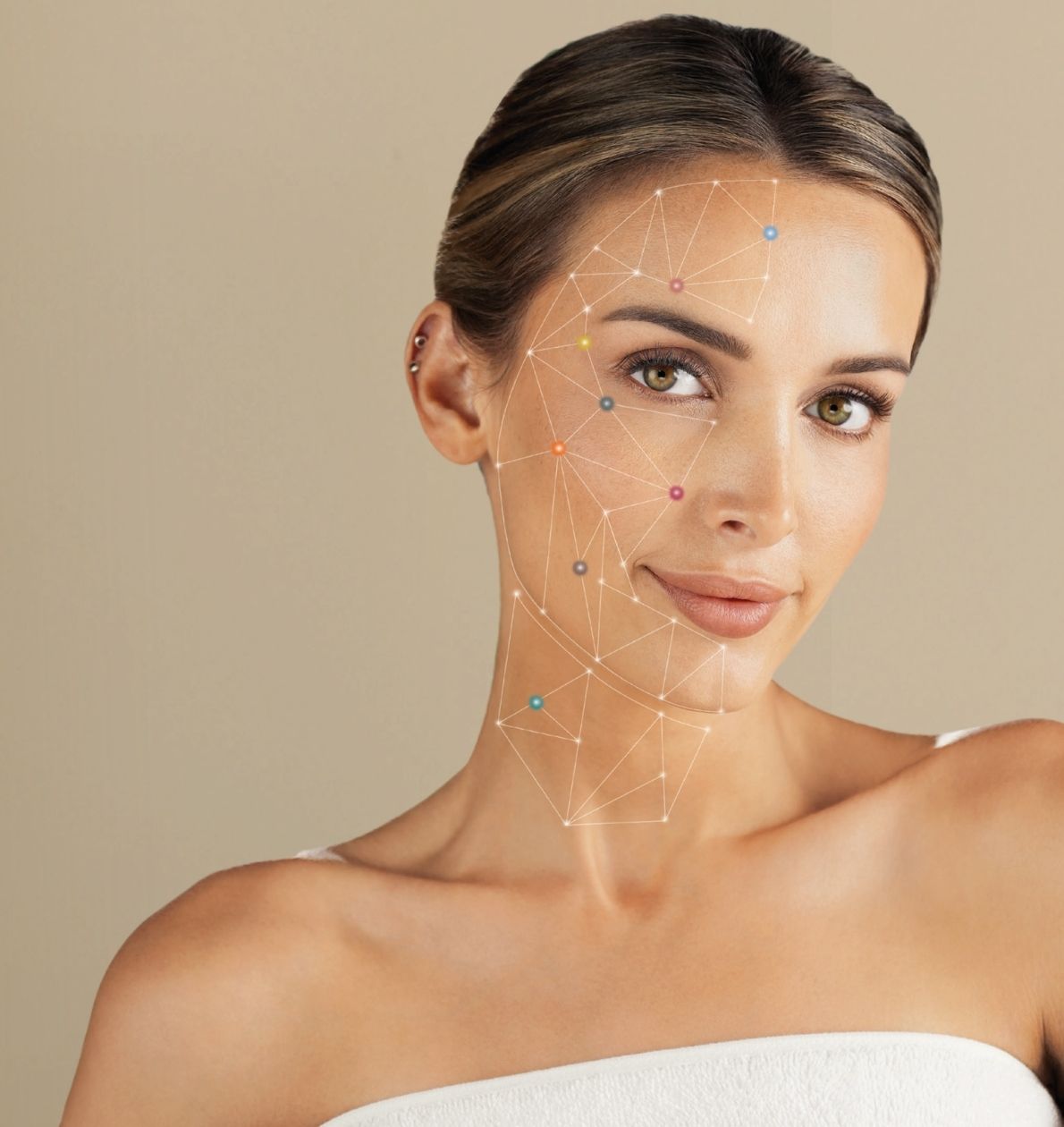
UniverSkin is a science-driven skincare system designed around customization. Rather than prescribing the same products to everyone with similar concerns, the system allows us to build formulations based on a patient’s specific skin condition, concerns, and goals.
That distinction matters.
Using advanced skin analysis and pharmaceutical-grade active ingredients, UniverSkin formulations can be tailored to address concerns such as:
- pigmentation
- redness
- dehydration
- acne and blemishes
- uneven texture
- oxidative stress
- early signs of aging
Instead of layering multiple products and hoping they work well together, the goal is to create a formulation that is more intentional and targeted from the beginning, often alongside the other medical-grade skincare lines and treatments we offer.
Why Customization Matters
One of the challenges with skincare is that more is not always better.
Many people are overusing active ingredients, combining incompatible products, or following trends that were never designed for their skin in the first place. Social media has accelerated this. A product that works beautifully for one person can irritate or destabilize another.
Customization changes the conversation.
Rather than asking, “What is trending right now?” the better question becomes:
“What does this skin actually need?”
That is where systems like UniverSkin become useful. The formulations are designed with concentration, compatibility, and skin tolerance in mind, allowing us to adjust based on the individual rather than forcing the individual into a pre-made category.
Skincare Is Becoming More Clinical
Another reason this approach is gaining traction is that skincare itself has become more sophisticated.
Patients are more informed than they used to be. They understand ingredients. They ask better questions. They want evidence, not marketing language. Increasingly, they are looking for skincare that functions more like part of a medical treatment plan than a cosmetic add-on.
That is especially important when skincare is supporting in-clinic treatments such as:
- laser resurfacing
- pigmentation correction
- acne treatments
- PRP
- skin rejuvenation procedures
When the skin is properly supported before and after treatment, outcomes are often better and recovery can be smoother. In many cases, personalized formulations can complement and enhance these treatments, rather than replace existing routines entirely.
How the Process Works
The process itself is surprisingly straightforward.
It begins with a consultation and skin assessment, including clinical photography and a close evaluation of the skin’s condition, concerns, and overall behaviour. From there, a customized formulation is created using a targeted combination of pharmaceutical-grade active ingredients selected specifically for that patient’s skin.
Patients then use the customized formula consistently over the following 1–2 months as part of their daily skincare routine, often integrated with other recommended products where appropriate. After that period, the skin is reassessed. New photographs are taken, progress is evaluated, and the formulation can be refined or adjusted depending on how the skin has responded and what the next goals are.
That ongoing reassessment is an important part of the process. Skin is not static. It changes with age, stress, hormones, environment, treatments, and season. Skincare should be able to adapt along with it.
The Goal Is Better Skin, Not More Products
What I appreciate about this system is that it moves away from excess.
It is not about having a shelf full of products or following a 12-step routine. It is about understanding the skin more accurately and treating it more intelligently.
For some people, that may mean simplifying their routine significantly. For others, it may mean refining and strengthening what they are already doing with more targeted support.
Either way, the larger shift is clear: skincare is becoming more personalized, more evidence-driven, and more connected to overall skin health.

- Artificial Intelligence, Personalized Skincare, and the Future of Skin Health - May 18, 2026
- Event Season Countdown: How to Prep Your Skin in Time! - April 17, 2026
- Lasers, Beyond the Label - March 17, 2026
- Medi-Spa Trends for 2026: What Actually Matters for Real People - January 21, 2026
- The Best Time to Plan Your Skin Year (And Why Goals Work) - December 9, 2025


Comments are closed.